

How to Care for Your Spouse Without Sacrificing Your Children’s Inheritance
Second marriages create a unique pressure point in estate planning, where loyalty to a new spouse intersects with long standing promises to children. Blended families rarely share the same history and without careful planning, they rarely share the same version of fairness. A new spouse may believe ongoing financial security is the priority, while children may fear their parent’s assets will be absorbed into a household which does not include them.
Inheritance disputes usually originate, not from hostility, but from unclear documents, mismatched expectations, and misunderstood legal rights. When adult children discover how second spouse rights in North Carolina operate, especially the elective share, they may often feel blindsided. A surviving spouse may feel equally exposed if all assets were titled in the deceased spouse’s name, or if stepchildren gain immediate control over family property.
Estate planning for a blended family requires acknowledging the quiet emotional contracts within the family, then creating structures which prevent feelings of being replaced or disregarded. A successful plan anticipates conflict before it surfaces, preserving relationships by clarifying financial boundaries.
What is a SLAT and Why Should Remarried Couples Care?
A Spousal Lifetime Access Trust (SLAT) is a planning tool which allows one spouse to transfer assets out of their taxable estate while keeping the door open for the other spouse to access those assets through the trust. This structure can be especially valuable in second marriages, where loyalty is divided between a partner who needs support and children who expect a protected inheritance.
A SLAT benefits second marriage planning because it introduces boundaries which most blended families find comforting. The spouse can receive distributions for health or support, yet this does not redirect assets to a new partner or stepfamily which may appear later in life. Children feel more secure knowing the trust will protect the remaining inheritance, and the donor spouse gains peace of mind knowing the assets are shielded from creditors or lawsuits.
Overcoming the Fear with Intention
For many parents in a second marriage, the real worry surfaces late at night, when the questions start circling. How can they protect their children without hurting their spouse who did nothing wrong? These fears are not imaginary; without careful and intentional planning, children can be quietly pushed aside after a parent dies. This may cause resentment, not only with the stepparent, but also toward the parent who never formalized their intentions.
The blended family dynamic creates deep disinheritance concerns, especially if there is not a full understanding of how state laws work. In North Carolina, the elective share laws give surviving spouses strong default claims, which can surprise families who never reviewed those rules. Facing these realities early allows a parent to choose structure over guesswork, and protections over wishful thinking.
How to Structure a SLAT Which Balances Both Spouse and Children
Families wanting to structure a SLAT usually want one simple outcome, a plan which protects a new spouse without sidelining children. A spousal trust which looks elegant on paper can still invite conflict if roles, limits, and backup rules stay vague.
A helpful starting point is deciding who controls the day-to-day decisions. When it comes to SLAT trustee options, some couples lean toward an independent trustee, such as a trust company or professional fiduciary, which removes pressure from both the spouse and the children. Others appoint a trusted individual, with written guardrails about when distributions may be made, and which factors the trustee might weigh.
For many couples, preventing conflict with a SLAT means eliminating surprises, including those that come after the marriage ends. A SLAT can be drafted to specify the trust is for the “current spouse”. This will end the beneficiary status upon divorce and can potentially allow for future remarriage to restore access. Thoughtful drafting turns the SLAT into a neutral referee, one which will honor both commitments.
Pros and Cons of Using a SLAT in a Second Marriage
A SLAT can be a powerful inheritance protections trust, yet it is not a magic fix. It solves certain problems extremely well, while creating new questions which deserve honest attention.
On the positive side, many high-net-worth families appreciate the tax benefits of SLAT planning. Assets gifted into a properly structured SLAT can be removed from a taxable estate, so future growth escapes potential federal estate tax. For remarried couples, this means more of the portfolio can be positioned for children instead of future tax bills. At the same time, the beneficiary spouse can receive support from the trust, which preserves marital stability while protecting long term goals.
On the negative side, families must respect the risks the blended family dynamic carries. Once assets move into the trust, the donor spouse loses direct control. This can feel unsettling if other resources are limited. If the beneficiary spouse dies unexpectedly, or if the marriage ends, access to those funds can change permanently. Choosing the wrong mix of assets can also matter, because low basis property inside a SLAT may produce larger capital gains later.
A SLAT often works best for couples who already have a strong financial base and a clear desire to protect children’s inheritance in a structured way. This rewards decisiveness and long-term thinking and is usually most suitable for families who want predictable rules and are comfortable committing to a plan which favors legacy over day-to-day flexibility.
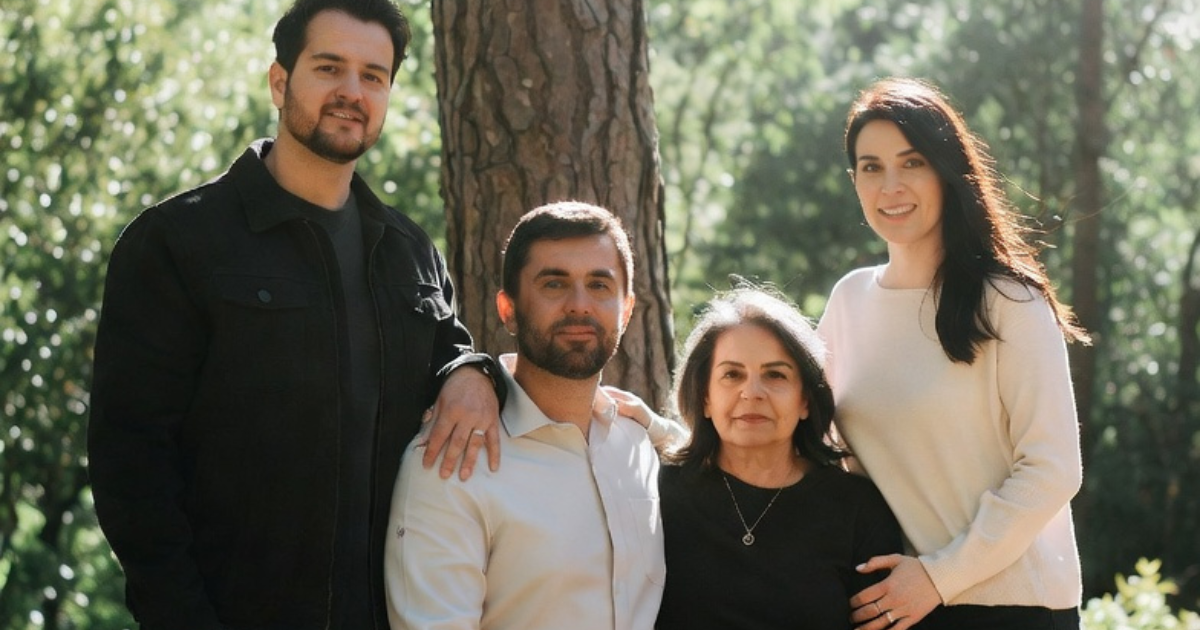
Real World Example: How a North Carolina Couple Balanced Love and Legacy
Stories often bring clarity where numbers and charts fall short. Consider one of the many real SLAT examples which mirrors concern that many North Carolina families quietly carry.
Michael, a retired Orthodontist in Chapel Hill, lost his first wife and later remarried Karen. Michael had two adult children from his first marriage, Karen had none. Michael wanted a second marriage trust strategy which would let Karen stay in their home, cover living expenses, and still leave a meaningful legacy for his children. His greatest worry centered on how to protect his kid’s inheritance if he should die first, especially once he learned about the strong default rights North Carolina grants surviving spouses under elective share rules.
Working with an advisor, Michael created a SLAT. Karen received rights to distributions for her health, education, maintenance and support (HEMS), along with permission to remain in the home. An independent trustee oversaw decisions, which reduced tension between Karen and the children. Clear instructions directed any remaining trust assets to the children after Karen’s lifetime.
Another benefit of this SLAT is that even though Michael has gotten the assets out of his taxable estate, he still gets to benefit from them while he and Karen are both still living because Karen still has access to them and can use them for the benefit of the whole household.
This design created a quiet success for a blended family. Karen felt secure and the children felt respected. No one needed to guess Michael’s intentions, the structure spoke for him, providing a living example of how a carefully tailored SLAT can turn competing loyalties into a coordinated plan.
Next Steps, How to Get a Customized Plan Which Protects Everyone You Love
For many remarried couples, the hardest part is not understanding concepts, it is deciding what to do next. Effective planning begins with a clear picture of people, promises, and property. A one size fits all form rarely accounts for a new spouse, adult children, prior agreements, and future uncertainty.
A practical starting point is a focused conversation, not about documents, but about outcomes. During a consultation families can work through questions such as:
- What level of financial security should a surviving spouse enjoy?
- Which assets feel non-negotiable for children or grandchildren?
- How comfortable is each person with using trusts or lifetime gifts?
- Which family relationships need extra protection from stress?
Understanding default rules also matters. North Carolina law gives surviving spouses rights even when a will says something different. Awareness prevents surprises and shapes decision which protect inheritances parents intend for their children.
From there, a customized estate plan for blended family situations can combine tools such as SLAT’s, updated beneficiary designations, carefully drafted Revocable Living Trusts, and coordinated titling of accounts. The goal is a family legacy planning blueprint which allows the spouse to sleep well, knowing their needs will be covered, while children trust in written protections for the inheritance they expect. When each person sees their role and safeguards in writing, the plan stops feeling abstract and starts functioning as a shared family promise.
FAQ
How can I protect my kids’ inheritance if I remarry?
Protecting children in a second marriage requires more than a simple will. Tools such as SLATs, separate property trusts, and updated beneficiary designations can reserve specific assets for children.
What happens to a SLAT if we get divorced?
The answer depends on how the trust was written. A SLAT can be drafted to require the beneficiary to be married to the grantor to get the benefit of the trust. Without such language, the former spouse may still have access.
Can my spouse change the beneficiaries of a SLAT after I die?
In most designs, the spouse cannot simply rewrite the trust to benefit new partners or different heirs. Some SLATs give a limited power of appointment which allows the spouse to adjust within a defined family group, such as among children or grandchildren, but not to remove the donor spouse’s bloodline entirely.
How do North Carolina laws affect a SLAT in a second marriage?
North Carolina gives surviving spouses default rights which can disrupt informal inheritance promises. A properly structured SLAT can sit outside probate and outside many of those default rules. Coordinating the trust with state elective share and property laws helps ensure written wishes carry real weight.
You Don’t Have to Choose Between Your Spouse and Your Kids
Blended families often carry unspoken worries, with many parents feeling torn between caring for a new spouse and protecting the inheritance their children expect.
The encouraging truth is simple; concerns and challenges can be addressed with thoughtful planning. Disputes can be prevented with a well-structured trust, coordinated beneficiary designations, and a clear set of instructions.
There’s no need for a choice between spouse or children, just the need for a plan which reflects priorities and prevents unintended outcomes. Schedule a free initial 15-minute consultation today to get your questions answered and clarity on the best way forward for maintaining family harmony.